
 By
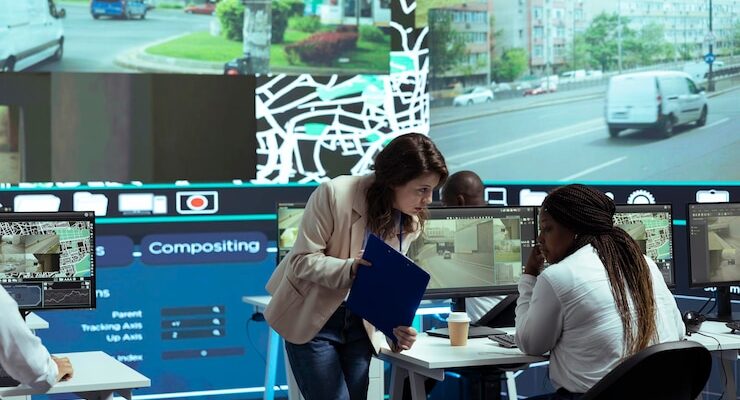
Digital forensics is evolving at a pace never seen before, driven by breakthroughs in software and computing power. Whether it’s solving complex criminal cases or reconstructing traffic incidents, the trio of DARS, forensics computer, and photogrammetry is leading the charge. This article uncovers how each element plays a critical role and how, together, they redefine accuracy in visual investigations.
DARS: Beyond Basic Video Processing
An Overview of DARS Technology
DARS isn’t your average video processing tool. It’s an advanced system designed to work with high-definition, multi-source video evidence. This includes police bodycams, surveillance footage, drone feeds, and more. With real-time enhancement and motion tracking, DARS ensures that no detail goes unnoticed.
Why Investigators Rely on DARS
- Seamless video timeline synchronization
- Geospatial tagging and integration with mapping tools
- Chain-of-custody tracking
- Courtroom-ready exports and annotations
The DARS system supports forensic integrity from evidence collection to final reporting, making it indispensable in investigations.

The Heart of the System: Forensics Computers
Without the right hardware, even the best forensic software can underperform. That’s where a forensics computer comes in. Designed for speed and precision, these machines power resource-heavy applications like DARS and allow forensic analysts to work without lag or delay.
Essential Specs for Digital Forensic Workstations
To maximize DARS performance, a forensic computer should include:
- High-frequency CPUs
- At least 64GB ECC RAM
- RAID-configured SSDs for redundancy
- GPU acceleration for AI-powered video processing
Together, these components enable analysts to process gigabytes of video data in real-time without compromising accuracy.
Photogrammetry: Turning Images into Measurable Evidence
The Science Behind the Scenes
Photogrammetry allows forensic experts to generate accurate 3D reconstructions from images or video frames. This makes it possible to analyze angles, distances, and object sizes that would be difficult to determine from 2D sources.
Real-World Applications of Photogrammetry in Forensics
- Crash scene reconstruction
- Object measurement (e.g., weapons, vehicles)
- Line-of-sight and visibility studies
- Timeline validation in criminal cases
When integrated with DARS, photogrammetry becomes even more powerful, transforming standard video footage into a source of measurable, scientific evidence.
Conclusion
The convergence of DARS, forensics computer systems, and photogrammetry technology has created a new gold standard in digital forensics. These tools empower law enforcement, legal teams, and private investigators to deliver precise, defensible results. With DARS at the helm, investigations are no longer limited by the quality of original footage—they are elevated by technology that sees what the human eye cannot.
FAQs
Q1: What types of cases can benefit from DARS?
A: DARS is used in criminal cases, accident reconstruction, insurance fraud investigations, and more—any case involving video evidence.
Q2: Is photogrammetry only useful for outdoor scenes?
A: No. Photogrammetry can be used indoors or outdoors as long as there are sufficient visual data points to create 3D models.
Q3: How do I get started with a DARS system?
A: You’ll need a powerful forensics computer and training in both the DARS platform and photogrammetry best practices to fully utilize the system’s capabilities.













Comments