
 By
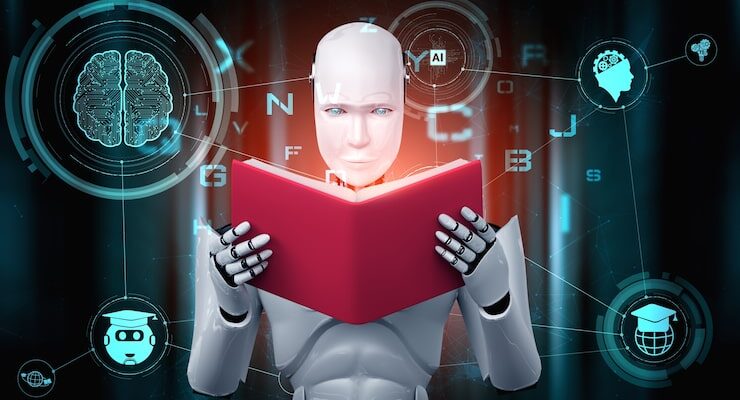
Artificial Intelligence (AI) has evolved tremendously over the last few decades. From the days of rudimentary automation to the sophisticated algorithms we use today, AI is revolutionizing the way we interact with technology. Among the many innovations in this field, “meta artificial intelligence” stands out as a concept with the potential to reshape industries and even human understanding of intelligence itself.
The Rise of Meta Artificial Intelligence
Meta artificial intelligence refers to AI systems designed to analyze, enhance, or even control other AI systems. This type of AI goes beyond traditional algorithms by having the ability to improve its own structure, decision-making process, and interactions with other machines. It creates a self-evolving environment that can dynamically adapt to complex tasks without human intervention.
Unlike conventional AI, which is designed to perform specific tasks, meta AI focuses on the optimization of its own performance. This makes it not only self-learning but also self-improving, pushing the boundaries of what technology can achieve. The concept might sound futuristic, but it’s already being explored in various fields, from advanced robotics to data analysis.
The Evolution and Applications of Meta Artificial Intelligence
The Science Behind Meta AI
At its core, meta AI is about building systems that can learn from their mistakes, make decisions, and even reprogram themselves. This involves using complex algorithms, neural networks, and machine learning models that can be continually refined through feedback loops. The idea is to create a system that is not just reactive but proactive, capable of predicting future needs and adjusting accordingly.

meta artificial intelligence
For example, in autonomous vehicles, meta AI could allow a self-driving car to not only react to its environment but also refine its driving strategies over time. It could evaluate past experiences, recognize patterns, and adjust its approach to optimize for safety, efficiency, or even energy consumption. This level of adaptability could be a game-changer in industries like transportation, healthcare, and finance.
Real-World Applications of Meta AI
One of the most exciting applications of meta artificial intelligence is in the field of healthcare. Imagine a system that can analyze thousands of medical records, learn from the results, and then make better diagnostic decisions over time. By continuously improving, meta AI could help doctors make faster, more accurate diagnoses, ultimately saving lives and reducing medical errors.
In business, meta AI is already starting to influence decision-making processes. Companies are using AI-driven analytics to understand market trends, consumer behavior, and operational inefficiencies. But meta AI takes it a step further by suggesting improvements, automatically optimizing strategies, and even developing new ways to enhance business outcomes.
Meta AI’s role in cybersecurity is another key area. With cyber threats becoming more sophisticated, AI-driven security systems are continuously learning from each attack, refining their ability to identify and neutralize emerging threats. This adaptive approach is crucial for staying one step ahead in the battle against cybercrime.
The Challenges of Meta AI
As promising as meta artificial intelligence is, it’s not without its challenges. One of the biggest hurdles is the sheer complexity involved in creating self-improving systems. Developing AI that can optimize its own structure requires advanced programming and vast computational power. Moreover, ensuring that these systems remain ethical, transparent, and free from bias is another critical concern. The risk of unintended consequences, such as the creation of biased AI, is something that needs to be carefully managed.
Additionally, the question of control becomes crucial. With systems that can adapt and evolve on their own, how do we ensure they act in ways that align with human values and goals? Striking the right balance between autonomy and oversight will be key in making meta AI a force for good.
Conclusion: A Glimpse into the Future
Meta artificial intelligence holds the potential to revolutionize many industries by creating self-evolving, self-improving systems. While the technology is still in its infancy, the possibilities are vast. Whether it’s enhancing healthcare, optimizing business processes, or securing digital environments, meta AI promises to be a catalyst for unprecedented change.
However, as we move forward, it’s essential to tread carefully. The development of meta AI must be guided by ethical considerations, ensuring that it remains aligned with human values and serves to enhance our lives rather than complicate them. As we look to the future, one thing is clear: meta artificial intelligence is not just a futuristic idea – it’s the next step in the evolution of technology.













Comments